
ODI / ODIP
Operational Decision Intelligence (ODI) and the ODIP platform model — the definitions and reference model we use to build Veratix Compass.
Operational Decision Intelligence
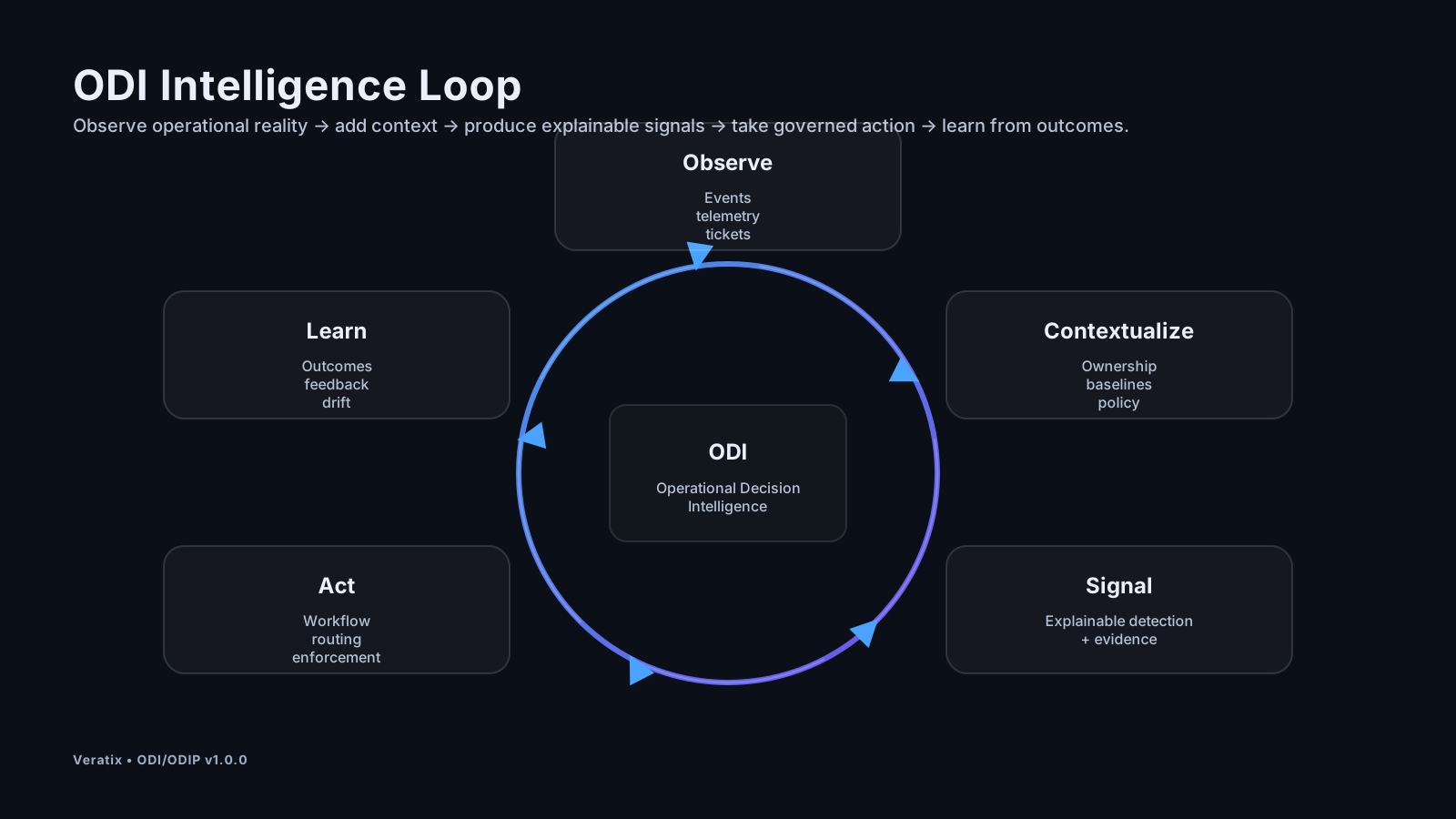
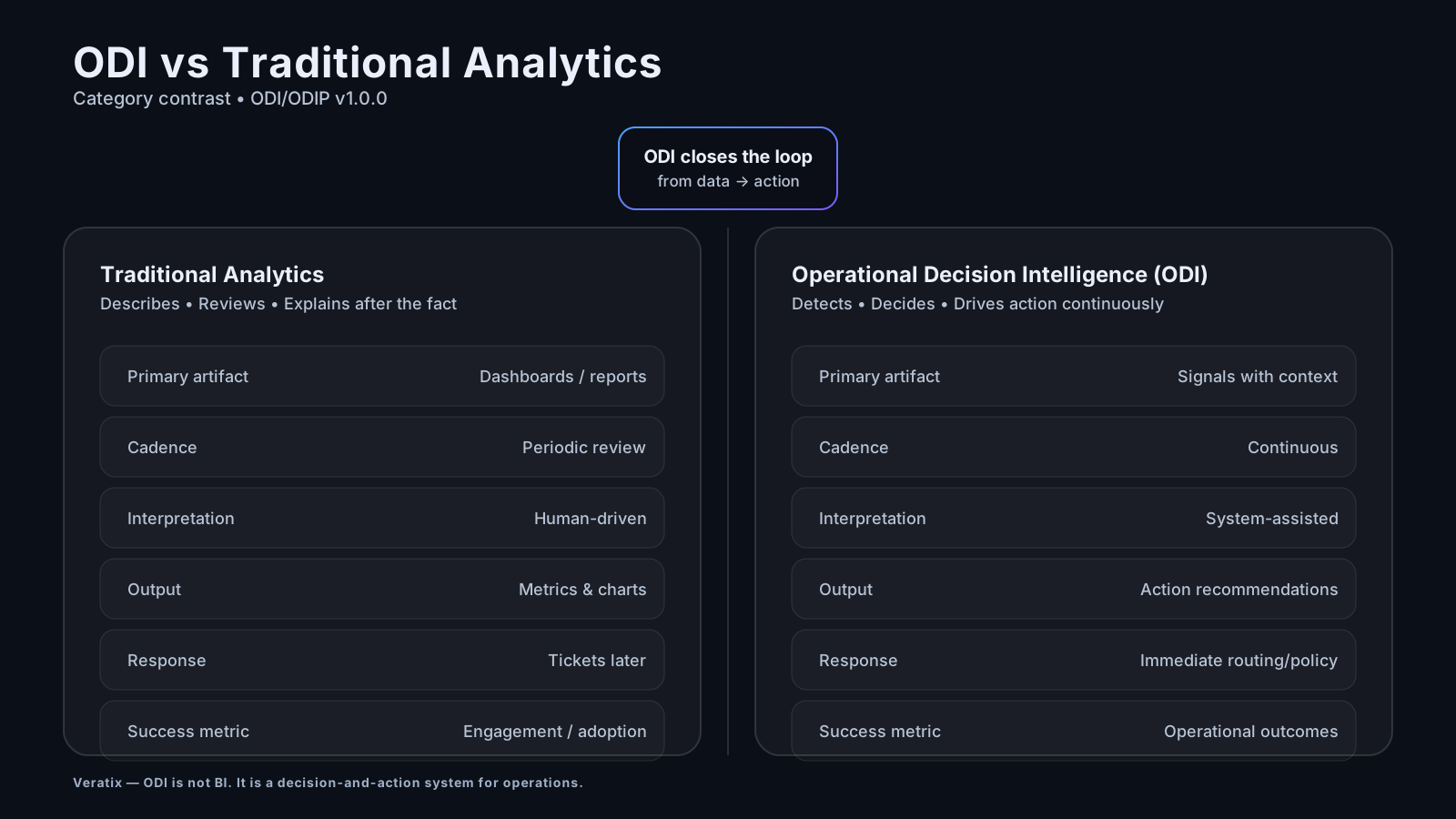
Operational Decision Intelligence (ODI) is the discipline of transforming operational reality into explainable signals and governed actions, with traceable, auditable outcomes that drive continuous improvement. ODIP is the platform model that makes ODI repeatable across teams, tenants, and systems.
This page governs language and conceptual models. It does not disclose internal algorithms, training data, or implementation secrets.
Why ODI exists
Modern operational systems generate vast amounts of data, yet operational decisions remain fragmented, ad-hoc, and difficult to defend. ODI exists to answer the questions operations teams are accountable for.
- What happened? Facts and event history
- What does it mean? Context, ownership, baselines, policy
- What should we do? Recommended or automated actions
- Why is this correct? Evidence that withstands scrutiny
ODI → ODIP reference model
Veratix formalizes ODI as a layered model so teams can reason about correctness, trust, and outcomes without confusing “data storage” with “intelligence.”
- Trust & Governance — tenancy, RBAC, audit, retention, policy, versioned meaning
- Ingestion — stable event envelopes, schema evolution, tenant-scoped pipelines
- Context — ownership graphs, baselines, constraints, classifications, references
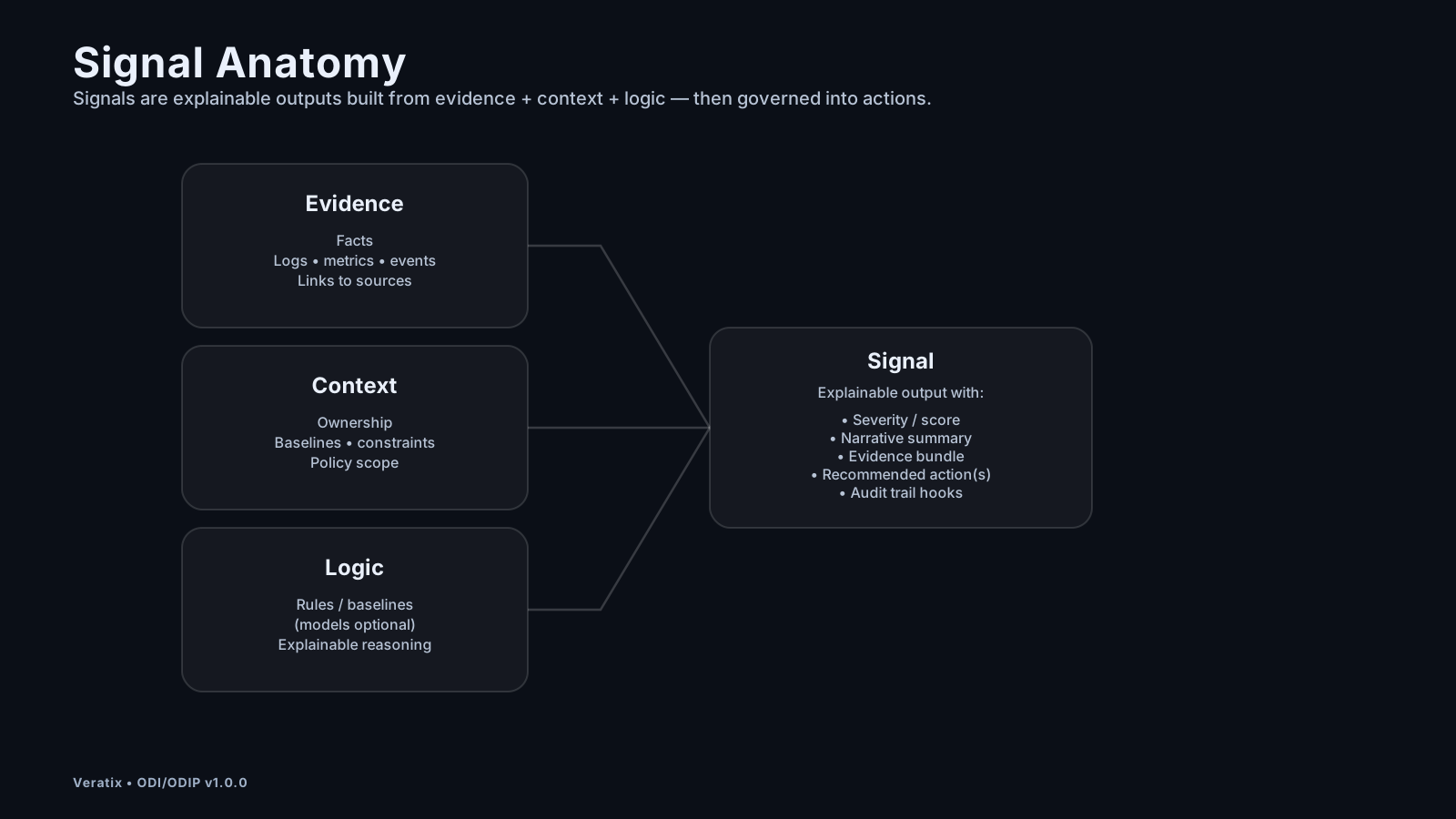
- Signal — explainable detections packaged with evidence
- Action — workflows, routing, enforcement, automation
- Learning — outcomes, feedback loops, drift management
Reference visuals
These diagrams are part of the ODI/ODIP definition set and are versioned alongside the text.
Key principles
- Context before signals — ownership, baselines, and constraints come first.
- Governance before automation — actions must be auditable and controlled.
- Evidence over confidence scores — prefer explainable evidence trails.
- Meaning as infrastructure — definitions are versioned and treated as part of the trust layer.